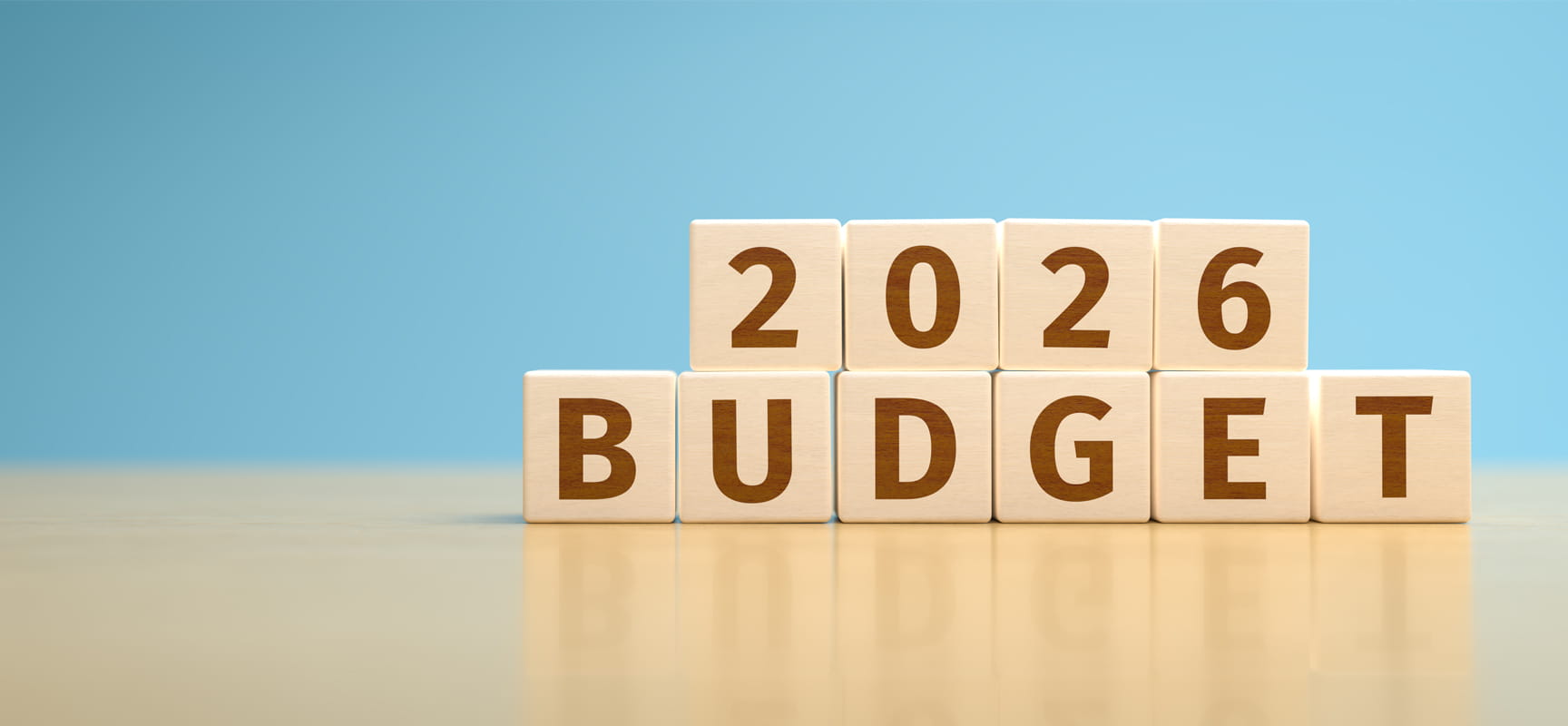
Building Your 2026 Budget: A Practical Guide to Success
As we step into 2026, creating a solid budget is more important than ever. Economic trends, evolving consumer behaviors, and technological advancements are reshaping how we manage money. Whether you’re budgeting for your household or your business, a well-structured plan can help you stay ahead and achieve your financial goals.
1. Reflect on 2025 - Before you start planning, review last year’s financial performance:
- Income vs. Expenses: Did you meet your revenue or salary expectations? Where did you overspend?
- Savings & Investments: Were you able to grow your emergency fund or portfolio?
- Unexpected Costs: Identify patterns in unplanned expenses to prepare better for 2026.
2. Set Clear Goals for 2026
- Do you want to increase savings, pay down debt, or invest in growth?
- Are there major purchases or projects coming up?
- What’s your target for emergency funds or retirement contributions?
Write these goals down—they’ll guide every decision you make.
3. Account for Economic Trends - 2026 brings new challenges and opportunities:
- Inflation & Interest Rates: Factor in potential price increases and borrowing costs.
- Technology Investments: Businesses may need to allocate funds for AI tools, automation, or cybersecurity.
- Lifestyle Changes: Remote work, travel trends, and subscription services can impact personal budgets.
4. Build Your Budget Framework - Here’s a simple structure:
- Income: Salary, business revenue, side hustles.
- Fixed Expenses: Rent/mortgage, utilities, insurance.
- Variable Expenses: Groceries, entertainment, transportation.
- Savings & Investments: Emergency fund, retirement, stocks.
- Debt Payments: Loans, credit cards.
Use the 50/30/20 rule as a starting point. This rules accounts for 50% for needs / 30% for wants / 20% for savings and debt repayment
5. Leverage Budgeting Tools - Digital tools make budgeting easier than ever:
- Personal Finance Apps: Mint, YNAB, or PocketGuard.
- Business Tools: QuickBooks, Xero, or Microsoft Excel templates.
- AI Assistants: Use AI to forecast expenses and optimize spending.
6. Monitor and Adjust Monthly - A budget isn’t static. Review it regularly:
- Compare actual spending vs. planned.
- Adjust for unexpected expenses.
- Celebrate milestones—like hitting savings targets!
Building your 2026 budget is about more than numbers—it’s about creating a roadmap for financial security and growth. Let us know how we can help. Our first tip - Start now, stay flexible, and make informed decisions to thrive in the year ahead!

Related articles

Fall is often a season of preparation and planning, making it an ideal time to review your estate plan. While many people associate estate planning with the wealthy, it is an important part of...

Many investors set a financial plan and investment strategy, but over time, changing market conditions, life events, and shifting priorities can cause their portfolio to drift away from its original...

Have you ever spent the work week daydreaming about everything you’ll finally get to do on the weekend—only to have Saturday arrive and find yourself scrolling your phone instead? It’s a familiar...